
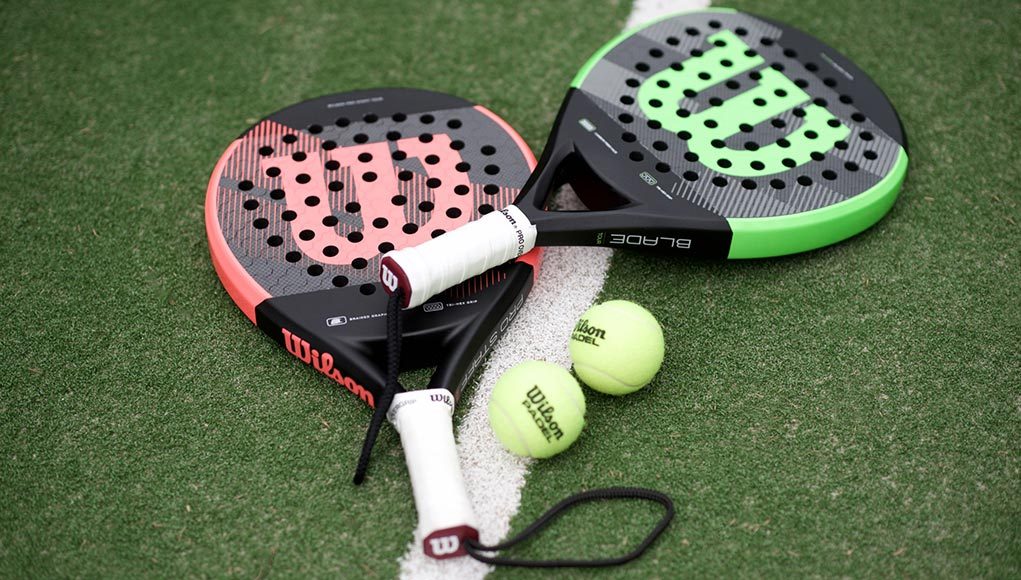
SITE SELECTION AND THE STEPS INVOLVED When selecting a new site, for an outdoor centre or an existing building for an indoor centre, the feasibility process is key to good decision making. My first piece of advice is to find your model and stick to it. What is the USP of your club? Whatever it is, believe in it and then do not compromise on it. Established operators will have a tried and tested model which works for them, approaching site selection with a firm understanding of what the property needs to accommodate. Aspiring operators are more likely to make compromises in their enthusiasm of getting the first site under their belt. Of course enthusiasm is to be admired but it needs to be tethered to mitigate bad decision making and having a robust feasibility process will provide a strong foundation. So, when assessing the feasibility of a new site, what are the considerations: Site constraints Whether you are developing an indoor or outdoor padel centre, site constraints will shape the number of courts, their layout, space to have ancillary offers such as an F&B, reception, retail space, gym, changing rooms etc. The size of your site or building will determine the number of courts that you can fit. BUT maximising the number of courts to the detriment of ancillary facilities or circulation space is not always the right decision. Having a sufficient number of courts to allow financial support for your staffing model and other overheads of course is also crucial so you must find the right balance for you. Have firm understanding of your proposed model and if the property does not allow you to achieve this, be prepared to walk away. Dimensions of your site or building will determine the layout. Can your courts sit side by side or end to end, does it matter? For those operators wanting to focus on coaching for example, there is a preference to have courts side by side for maximum efficiency. In an indoor facility the additional complications of internal columns and eaves height add to the design considerations. Court and ancillary space may be compromised, and a building being too low will compromise game play. There are still operators who compromise on height and for me this is a massive mistake for the long term success of your club. Regulatory Constraints Regulatory constraints include fire regulations, building regulations, DDA compliance etc but the biggest by far is planning. Planning can be an extremely costly and time consuming process with no guarantee of success. To mitigate the risk however, analysing the planning feasibility of your site is key. The location of any property/site is unique and each will have their own unique challenges, however the key considerations are: For outdoor sites Lighting To operate into the evening lighting for the courts is essential. Will this impact on your neighbours, will it impact on local wildlife? If the answer is yes to any of these, then you must assume that the local planning authority will require mitigation against the impact. Question to ask yourself – Is there a financially viable solution? Noise The issue of noise is a hot topic and has found sensational headlines in the national press. Is it a real consideration? Yes it is. Are local Councils imposing a blanket ban on padel because of noise? No they are not. Mitigating the impact to residential neighbours is key. is your site within 30m of the closest residential property? is it located on a noisy and busy main road? It is super important to get this right. One of the biggest blockers to planning consent. Highways Ensure the site can provide suitable access and egress plus adequate parking for the local councils parking standards. Is there room for coach parking and turning, rubbish collection vehicles etc Height If you are introducing canopies into an outdoor site, are they in keeping with the area, rural, industrial etc. Clever designing of the canopy to reflect the location and to mitigate the appearance of massing does work. Will your canopies block views for neighbours or of any heritage buildings in the vicinity? Building inside an MOL or Green Belt area will have many additional challenges and significant upfront feasibility and a pre-app become even more important. Design in these areas is paramount to a successful application.
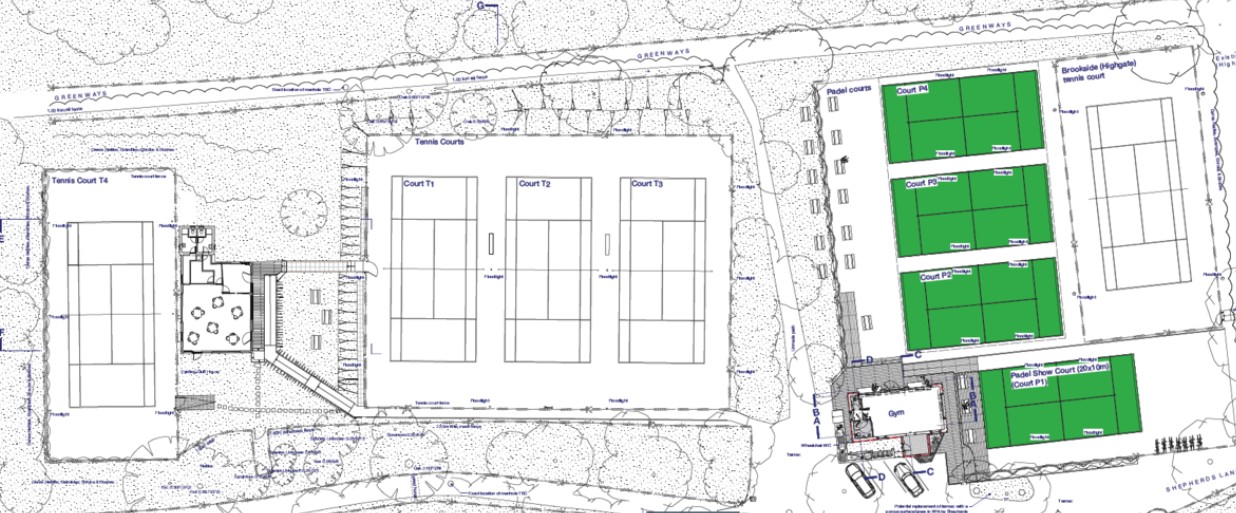
Real Estate in Padel Series – Part 2
In the first part of this series, I suggested that Padel operators are forced to become real estate developers. Getting to grips with the planning process is probably the steepest learning curve. Depending on the site, the reports and surveys required for submission with your application are many and varied, Design and Access Statement, Planning Statement, Acoustic Survey, Highways, Drainage, Arbor, Ecology and Biodiversity Net Gain. Biodiversity Net Gain (BNG) became a compulsory part of planning law in February 2024 by way of the Environment Act 2021. In simple terms, every development that hits the very low threshold, regardless of sector, needs to offset any deficit that the proposed development will cause on the biodiversity of the identified site, plus improve the baseline by 10%. At this stage, it is important to note that, in my experience, most Padel operators building an outdoor centre tend to rent the land and then either fund the cap ex of the development or enter a joint venture with the site owner. These leases are normally for a 10 – 15 year period. Why is this important? Well, because in addition to offsetting the deficit and improving the baseline by 10%, the developer must also commit to managing the offsetting for 30 years. In the traditional real estate sectors, it is simply not financially viable for a developer to build a new building without owning the site or having a Long Leasehold interest. This is the assumption made by the Environment Act when introducing the 30 years management responsibility. Of course, the theory of BNG is laudable, conservation is a responsibility on all of us and particularly a responsibility on developers who are negatively impacting the biodiversity of a site and surrounding area. So, as an occupational leaseholder what are your options? The Act does allow for developers to purchase BNG units off site instead of planting on the subject site. Statutory BNG units are extremely expensive but there are also a growing number of registered biodiversity net gain providers from whom you can purchase the units and who will manage for 30 years on your behalf, but these do come at a price. Depending on the classification of BNG unit, they can be prohibitively expensive. My recommendation – understand the potential BNG impacts of your proposed development from the outset. Find an ecologist who will help you find solutions, work with them to amend or redesign your plans to mitigate deficits. Identify a registered habitat site provider in close proximity to your site and add these costs to your appraisal. They are not insignificant and they are not going away.
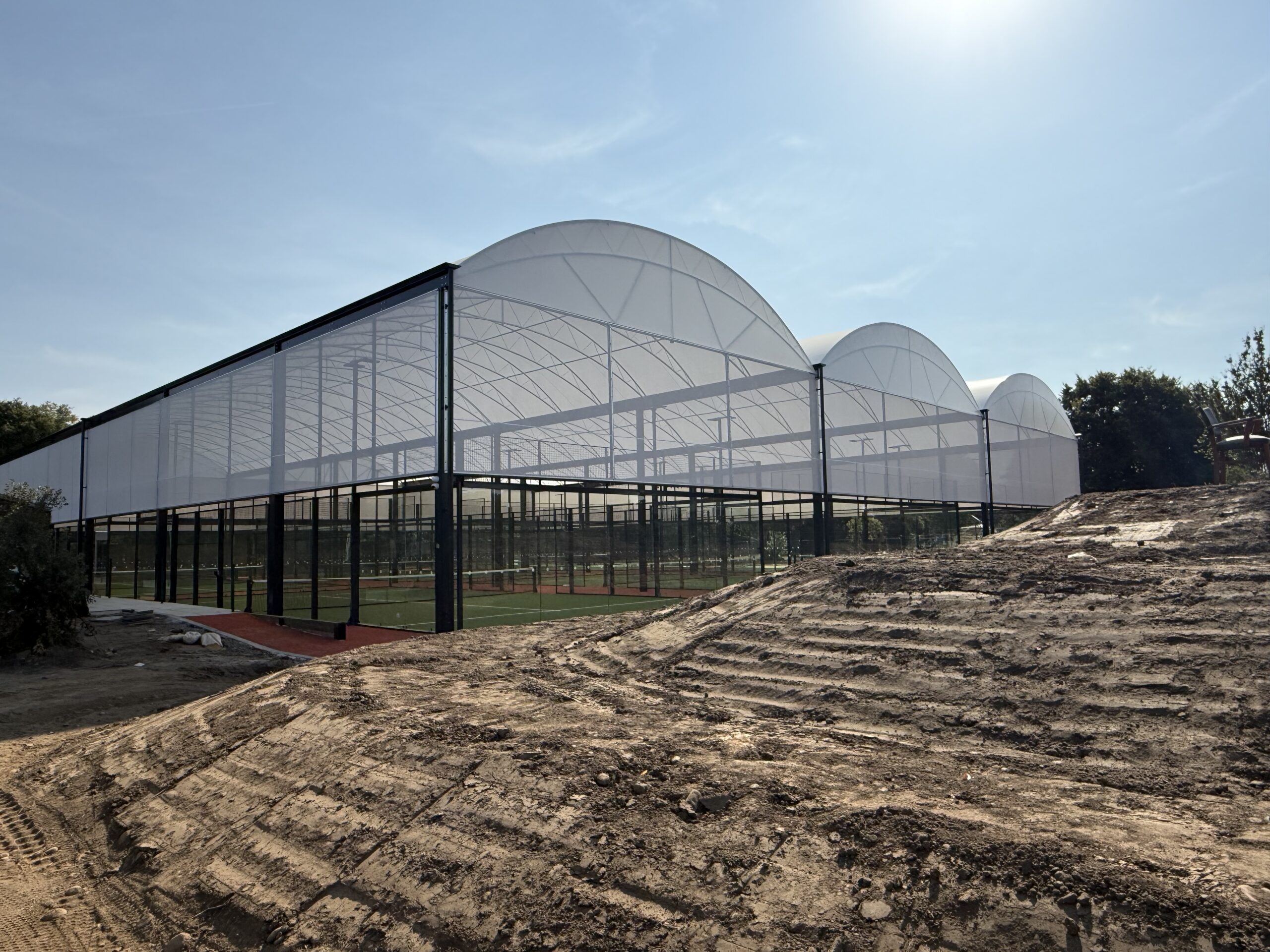
Real Estate in Padel Series – Part 1
PADEL OPERATORS IN THE UK, BY DEFAULT, BECOME REAL ESTATE DEVELOPERS. This is a fact that operators seem to accept, one they have to accept. When a new sport arrives in a country, there are no existing facilities, so what are your options? Whether an operator wants to develop outdoor or indoor courts, they have to take on the world of real estate development. They need to become proficient in the worlds of planning, leases, architecture and construction. It can be daunting. With demand in the UK being as strong as it is, and supply still lagging behind, it is easy for a new operator to adopt the Field of Dreams attitude of “build it and they will come”, and up to now, in some ways this has worked as a strategy. This won’t be the case forever. In fact, the industry has already seen failing centres due to lack of planning for longevity. As the industry matures, players will become more discerning. When they have choice, they will want to play at the best padel clubs and operators need to consider what this means. As in all sectors of real estate, the old adage of location, location, location holds strong. The most visionary operators will consider location not only in terms of simple population but also wider demographics, competition and planning constraints. Choosing the right site is just the beginning but a very important beginning. Planning the structure of your lease to allow maximum flexibility is crucial. The commercials of the lease (rent or profit share or a hybrid model) are obviously important but there are many other elements such as security of tenure, rent reviews, alienation, ability to make alterations, car parking etc that can become a problem in the future if not considered properly from the outset. Whilst some of these considerations may not seem so important now, they do support real value which in turn will attract future investment. They will make your business stand out against others when the institutional investors and family offices decide that the industry has proven enough resilience in the UK and they want to join the party. The planning system in the UK is the one that I hear most operators complaining about. Yes, it may be complicated, and it can be frustrating at times. But operators need to put that real estate developer hat back on. Navigating the planning system takes patience, understanding and investment. Getting the best design team around you is crucial. Consultants who are responsive and who find solutions rather than identifying the problems will give you the best chance of planning success. Planning consultants, architects, ecologists, drainage, acoustic consultants, lighting consultants, highways experts all have a part to play. They all produce information which interact in a connected way and ultimately informs your final design. Managing these consultants is like conducting an orchestra, you need a conductor who can pull all of these together to into a scheme and a planning application that can stand up to the rigors of the planning system. My advice, find someone with this capability. As an operator you will have plenty of other things to be managing, recruitment, booking apps, coaching, programmes etc. You cant do everything. Watch out for follow up parts on: Getting construction right and BNG – a minefield for leaseholders.
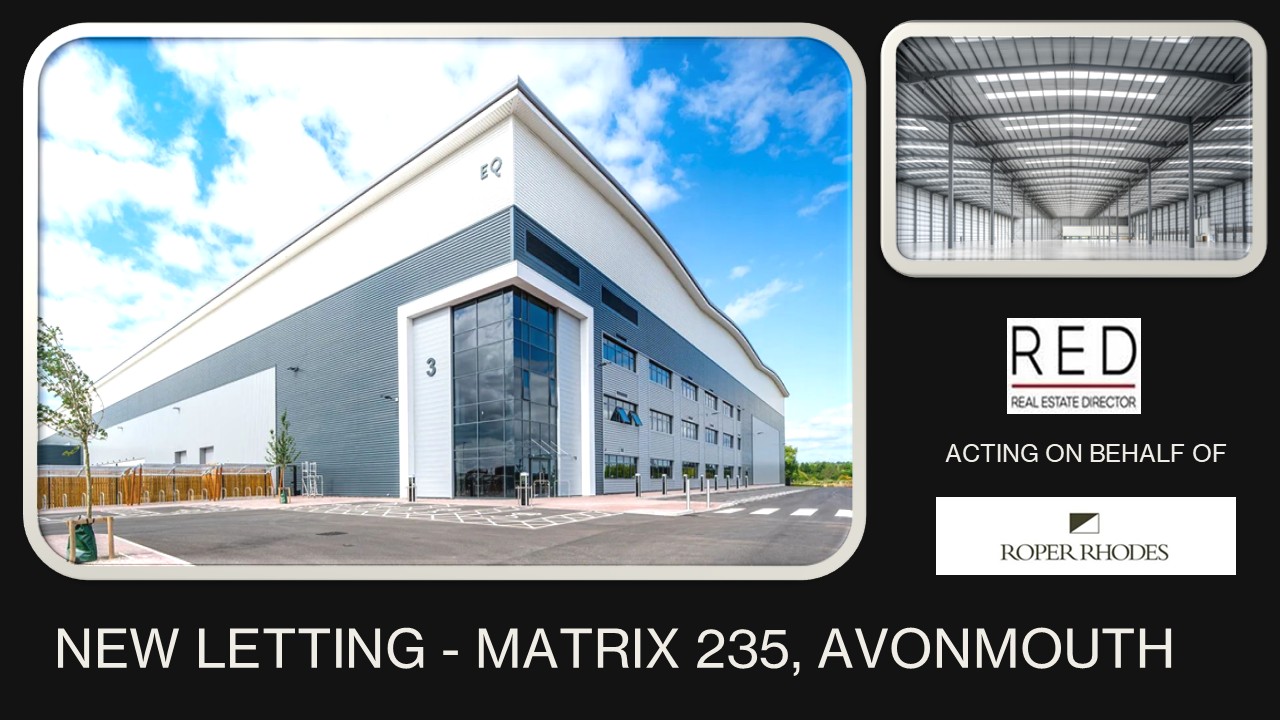
New Letting on behalf of Roper Rhodes
RED is delighted to have advised Roper Rhodes on the acquisition of their new 235,000 sq ft warehouse facility in Avonmouth. Roper Rhodes, one of the UK’s leading suppliers of bathroom furniture and products is headquartered in Bath with its main warehouse facility in Portbury. RED helped the company to acquire their Portbury property in 2015. The growth that the business has seen in the last 10 years has meant that they have outgrown the warehouse and a new solution was required. RED was asked by Roper Rhodes to investigate the potential options against the considerations of geography, capacity and cost. There were limited options of the size of warehouse needed in the area where Roper Rhodes could ensure that they retained their valued and skilled employees. Matrix 235 was identified as the most suitable option, a brand new development by Equation Properties. “This property is an excellent fit for Roper Rhodes. The capacity of the warehouse will allow the business to fulfil their growth projections for the next 10 years whilst also giving them the space needed for their impressive showroom and client centre. We were delighted that 10 years on from their last move, RED were the business that Roper Rhodes again turned to, for help in such an important decision for the business.” – Patrick Neville, Managing Director RED “Roper Rhodes have partnered with Patrick Neville at RED on a number of property projects over the past decade. Patrick’s excellent local knowledge, combined with his experience of facilitating complex transactions, have proven to be invaluable. Thanks for your help and support Patrick.” – William Steele, COO Roper Rhodes Thanks also to Paul Hobbs of Avison Young who represented the landlord and to Kai Desai of TLT Solicitors.
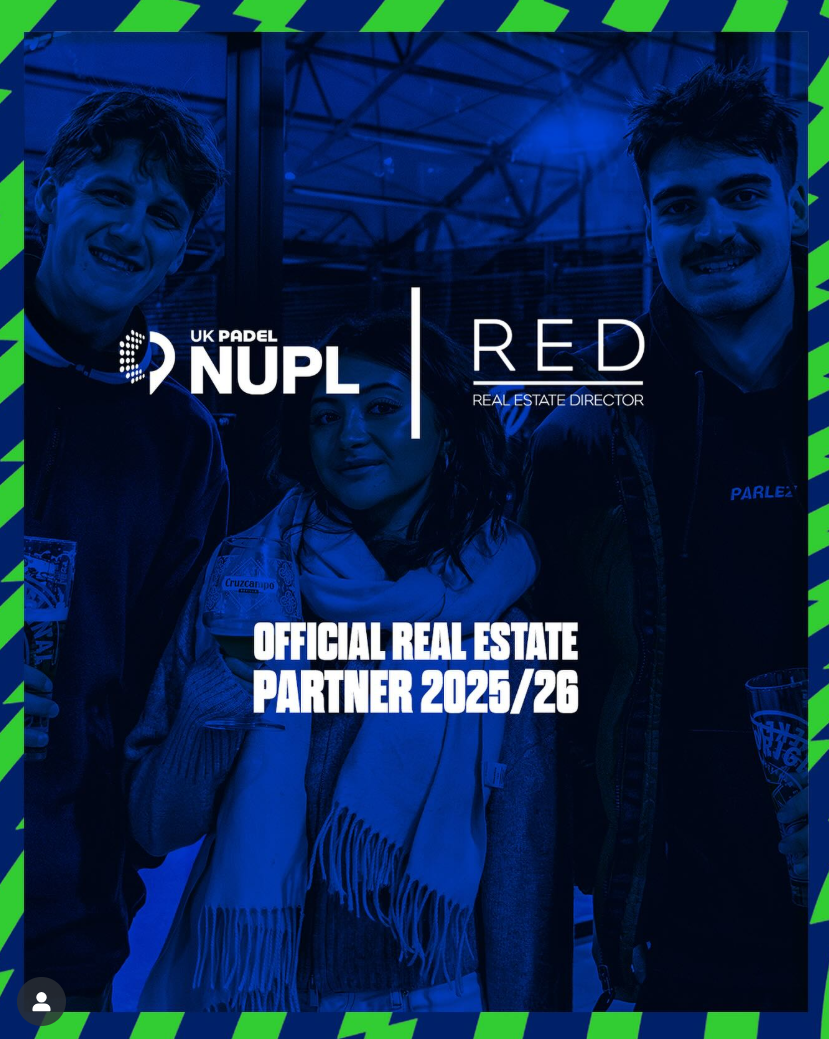
Sponsorship of the National Universities Padel League
RED is excited to announce that we have partnered with National Universities Padel League to be their official real estate sponsor for the coming season. I have been hugely impressed with NUPL since our first interaction over a year ago and this partnership strengthens RED’s commitment to supporting the growth of this sport across the UK